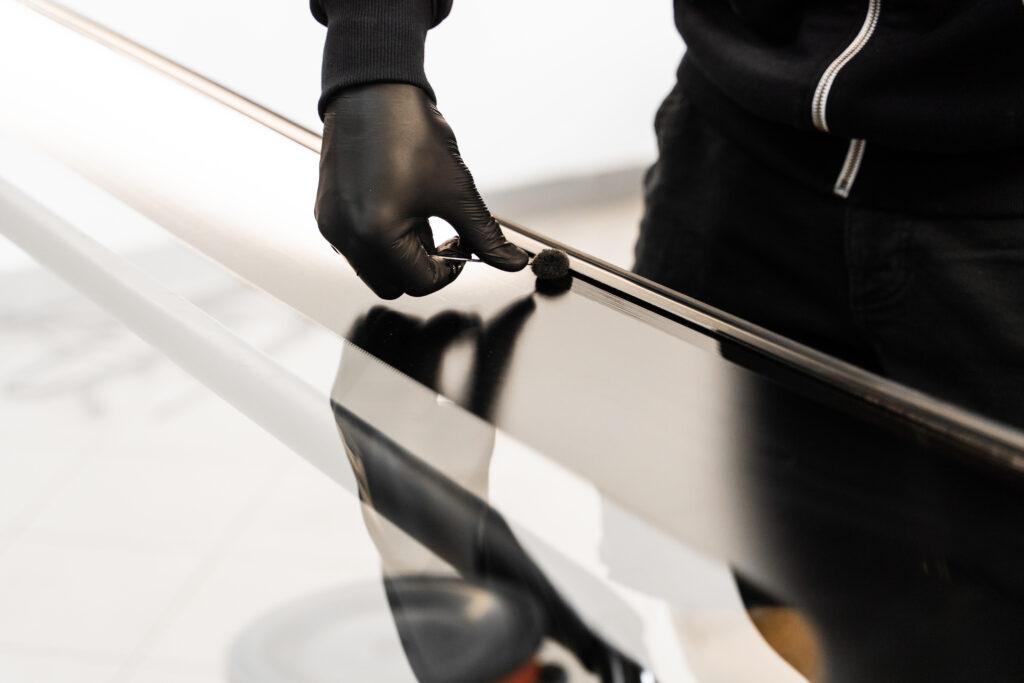
Security has become a top priority for homeowners, business owners, financial institutions, schools, and government facilities. As threats continue to evolve, bullet proof glass installation is becoming a practical investment for protecting people and valuable assets. While many assume this type of security glass is only for banks or military buildings, it is now widely used in offices, retail stores, luxury homes, healthcare facilities, and schools.
One of the most common questions property owners ask is, “How much does bullet proof glass installation cost in 2026?”
The answer depends on several factors, including the required protection level, glass thickness, materials, framing system, labor costs, and project complexity. This guide explains average installation costs, pricing factors, and how to budget for a bullet-resistant glass project.
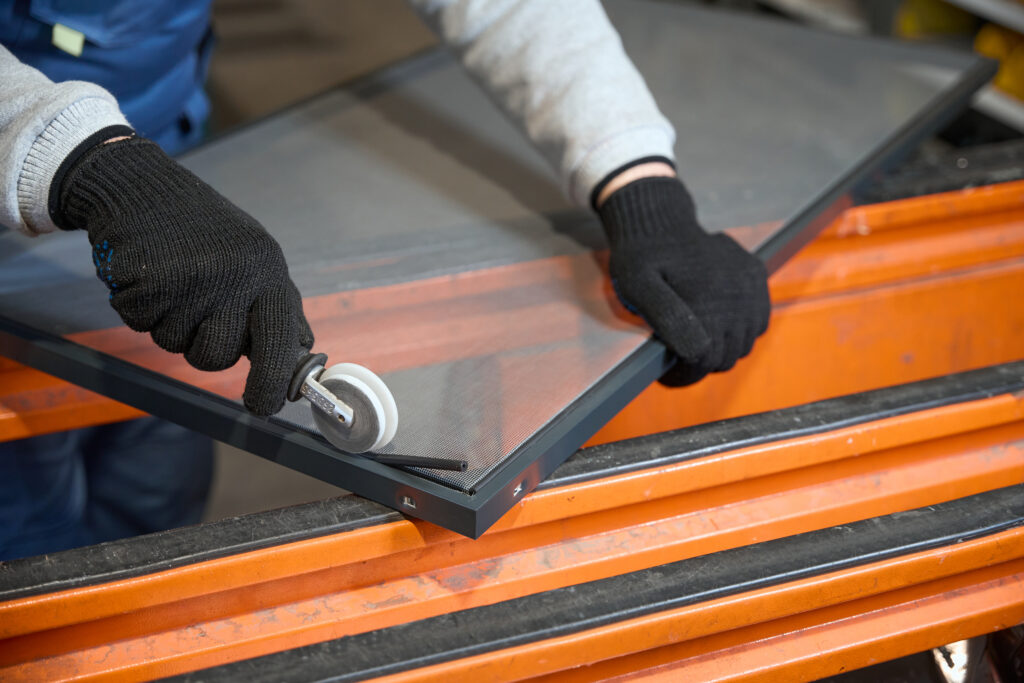
What Is Bullet Proof Glass?
Despite the name, bullet proof glass is technically bullet-resistant glass. It is manufactured using multiple layers of laminated glass and polycarbonate materials that absorb and disperse the energy of a bullet rather than allowing penetration.
Different products are designed to resist different types of firearms, from handguns to high-powered rifles. The higher the protection rating, the thicker and more expensive the glass becomes.
Average Bullet Proof Glass Installation Cost in 2026
In 2026, homeowners and commercial property owners can expect to pay anywhere from $60 to over $500 per square foot installed, depending on the required level of protection.
| Protection Level | Average Installed Cost |
|---|---|
| Basic Security Glass | $60–$150 per sq. ft. |
| Medium Protection | $150–$300 per sq. ft. |
| High Security Glass | $300–$500+ per sq. ft. |
Premium custom installations for government facilities, embassies, or high-risk commercial buildings can exceed these ranges due to engineering requirements.
What Affects Bullet Proof Glass Installation Costs?
Several variables influence the final project cost.
1. Protection Level
The ballistic protection rating has the greatest impact on pricing.
Basic security glass designed to stop handgun rounds is significantly less expensive than glass engineered to resist assault rifles or multiple impacts.
Higher protection requires:
- More laminated layers
- Thicker glass
- Stronger polycarbonate materials
- Advanced manufacturing
As protection increases, material and installation costs also rise.
2. Glass Thickness and Material Quality
Bullet-resistant glass isn’t made from ordinary glass.
Manufacturers combine:
- Laminated safety glass
- Polycarbonate sheets
- Acrylic layers
- Specialty interlayers
Higher-quality materials provide better optical clarity, longer lifespan, and greater resistance against repeated impacts.
Thicker systems naturally cost more due to increased manufacturing complexity.
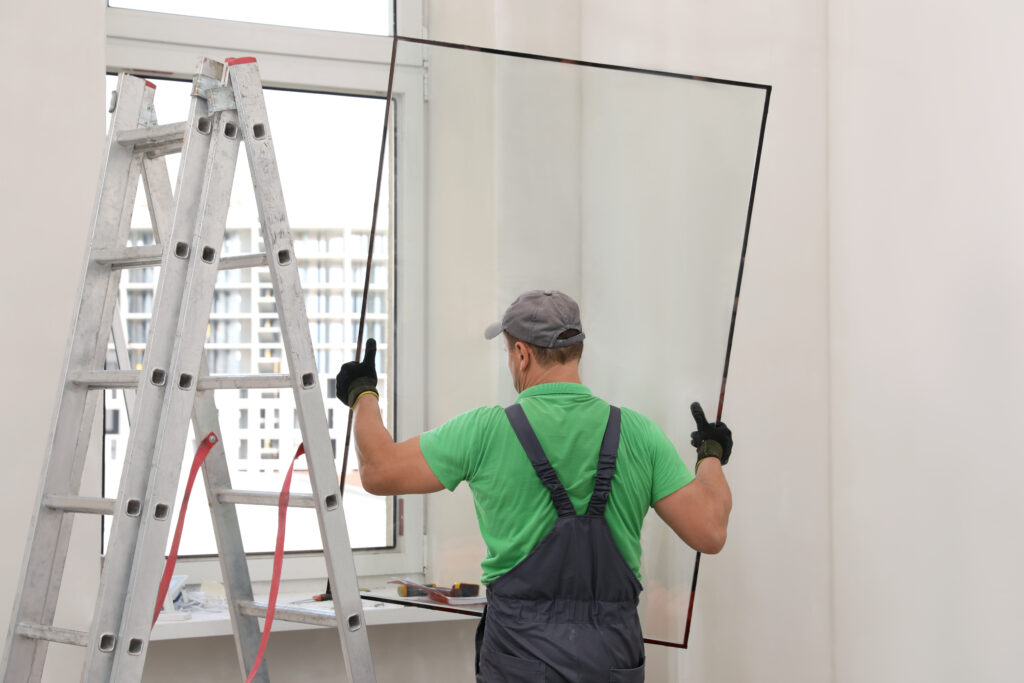
3. Installation Labor
Installing security glass is far more demanding than installing standard windows.
Professional installers must:
- Lift extremely heavy panels
- Precisely align frames
- Seal joints correctly
- Verify structural support
- Meet local safety requirements
Installation labor generally ranges from:
$20–$80 per square foot
Complex commercial projects often exceed this range.
4. Framing System Costs
Many buyers overlook the cost of reinforced framing.
Even the strongest security glass will fail if installed in weak frames.
Common framing options include:
- Reinforced steel
- Ballistic aluminum
- Structural security framing
Frame installation generally costs:
$50–$200 per square foot
depending on building requirements.
5. Project Complexity
Not every installation is straightforward.
Projects become more expensive when they involve:
- Large custom windows
- Curved glass
- Multi-story buildings
- Difficult access
- Structural modifications
- Custom engineering
The more complicated the installation, the higher the labor costs.
6. Customization
Custom bullet-resistant glass costs more than standard panels.
Popular upgrades include:
- Tinted security glass
- One-way observation glass
- Decorative finishes
- Oversized panels
- Custom dimensions
- UV protection
- Low-E coatings
Every customization increases manufacturing costs.
7. Location
Where your property is located also affects pricing.
Urban areas generally have:
- Higher labor rates
- Increased permit costs
- Higher transportation expenses
Rural installations may cost less, although shipping heavy security glass over long distances can increase freight costs.
Common Applications for Bullet Proof Glass
Today, bullet-resistant glass is installed in many different environments.
These include:
- Banks
- Schools
- Government buildings
- Courthouses
- Retail stores
- Pharmacies
- Jewelry stores
- Hotels
- Office buildings
- Luxury homes
- Safe rooms
- Reception areas
- Security booths
Each application requires a different level of protection.
Is Bullet Proof Glass Worth the Investment?
Although installation costs are substantial, many property owners consider bullet-resistant glass a worthwhile long-term investment.
Benefits include:
- Enhanced occupant safety
- Crime deterrence
- Property protection
- Reduced injury risk
- Improved peace of mind
- Long service life
- Increased property security
- Potential insurance benefits
For businesses handling valuable inventory or sensitive information, the investment can help reduce future losses.
Tips for Reducing Installation Costs
If you’re planning a security upgrade, consider these strategies:
- Compare multiple contractor estimates.
- Choose the appropriate protection level rather than over-specifying.
- Replace only high-risk windows, not the entire building.
- Schedule installation during planned renovations.
- Work with experienced security glass installers.
Proper planning can significantly reduce total project costs.
Choosing the Right Bullet Proof Glass Installer
Selecting the right contractor is just as important as selecting the glass itself.
Look for professionals who offer:
- Experience with security glazing
- Licensed and insured installation
- Manufacturer-certified products
- Clear written estimates
- Warranty coverage
- Knowledge of local building codes
A qualified installer ensures your investment performs as intended.
Final Thoughts
The cost of bullet proof glass installation in 2026 depends on several important factors, including the protection level, glass thickness, framing system, customization, labor, and project complexity. While basic installations may start around $60 per square foot, high-security systems can exceed $500 per square foot.
Investing in professionally installed bullet-resistant glass provides lasting protection for homes, businesses, schools, and commercial facilities. By understanding the factors that influence pricing and working with experienced installers, you can choose the right level of protection while staying within your budget.
Frequently Asked Questions
Are installation costs included with bullet proof glass?
Some contractors include installation in their quotes, while others charge separately. Always request a detailed estimate before beginning the project.
What has the biggest impact on bullet proof glass pricing?
The required ballistic protection level and the thickness of the glass are the primary factors affecting total cost.
Does installation cost vary by location?
Yes. Urban areas typically have higher labor, transportation, and permit costs than rural locations.
How long does bullet proof glass last?
High-quality bullet-resistant glass can last 20 years or more with proper maintenance, depending on environmental conditions and usage.
Can bullet proof glass be installed in existing windows?
In many cases, yes. Existing window systems can often be upgraded with bullet-resistant glazing, though structural modifications or reinforced framing may be required, depending on the desired level of protection.