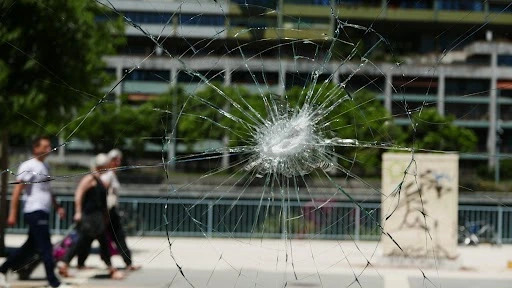
Security remains a top priority in 2026 for homeowners, businesses, and vehicle owners. Whether you’re upgrading storefront protection or building a residential safe room, understanding bulletproof glass cost in 2026 helps you plan your investment wisely.
While many people search for a fixed price per square foot, the reality is that bullet-resistant glass pricing varies significantly based on protection level, materials, customization, and bulletproof glass installation requirements. This guide breaks down what affects pricing and what you can realistically expect to pay.
What Is Bulletproof Glass?
Despite the name, bulletproof glass is not completely unbreakable. The correct term is bullet-resistant glass or ballistic glass. It is engineered to withstand specific types of firearm impacts based on certified testing standards.
Modern ballistic glass typically combines:
- Laminated glass layers
- Polycarbonate materials
- Acrylic ballistic panels
- Multi-layer hybrid glazing systems
These layers absorb and disperse impact energy while maintaining visibility.
Average Bulletproof Glass Cost in 2026
In 2026, the average estimated cost of bullet-resistant glass typically ranges between:
- $25 to $100 per square foot for lower ballistic ratings
- $100 to $300+ per square foot for higher protection levels
- $500 to $1,500+ per panel for custom-sized or specialty glazing
- $10,000 to $50,000+ for full safe room installations
For armored vehicles, the cost of an armored vehicle window can range from:
- $3,000 to $20,000+ per window, depending on vehicle type and ballistic level
These ranges vary depending on complexity, materials, and engineering requirements.
What Determines Bulletproof Glass Pricing?
Several major factors influence ballistic glass pricing in 2026.
1. Ballistic Protection Level (UL 752 & NIJ Ratings)
Protection levels are determined by standards such as:
- UL 752 (Underwriters Laboratories standard for bullet-resistant materials)
- NIJ (National Institute of Justice) ratings
Higher ratings require thicker, more complex multi-layer construction, which increases cost. For example:
- UL Level 1–3: Handgun resistance (lower cost)
- UL Level 4–8: Rifle resistance (higher cost)
The stronger the protection, the greater the material thickness and engineering required.
2. Thickness & Material Composition
Bullet-resistant glazing can range from ¾ inch to over 3 inches thick. Pricing depends on:
- Number of laminated layers
- Polycarbonate core thickness
- Resin bonding quality
- Impact absorption design
More layers and higher impact resistance increase overall cost.
3. Size, Shape & Custom Fabrication
Standard rectangular panels are more affordable than:
- Curved ballistic glass
- Oversized storefront panels
- Specialty shapes
- Custom architectural designs
Custom fabrication requires advanced engineering and increases both material and labor costs.
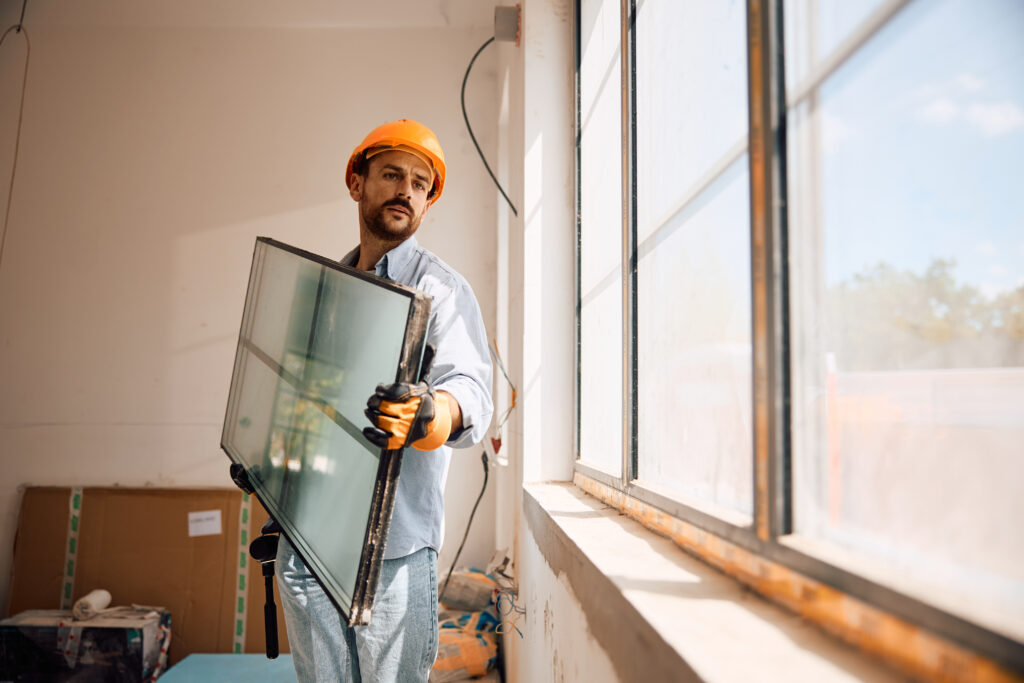
4. Installation Complexity
Installation plays a major role in the total project cost. Factors include:
- Structural reinforcement requirements
- Frame compatibility
- Retrofit vs. new construction
- Accessibility of the installation area
- Anchoring and mounting systems
Even the best ballistic glass will not perform properly without reinforced framing and professional installation.
Commercial vs. Residential Bulletproof Glass Costs
Application type significantly impacts pricing.
Commercial Security Glazing
Businesses such as banks, retail stores, government buildings, and hospitals often require:
- Higher ballistic ratings
- Large surface coverage
- Compliance with commercial building codes
- Liability and insurance considerations
Commercial security glazing projects involving reinforced commercial glass typically start at $10,000+ and can exceed $100,000, depending on the project scope, protection level, and installation requirements.
Residential Security Upgrades
Homeowners commonly install bullet-resistant glass in:
- Entry doors
- Ground-level windows
- Panic rooms or safe rooms
- Luxury estate security upgrades
Residential projects usually range from $5,000 to $50,000+, depending on the level of customization and protection required.
Armored Vehicle Window Cost in 2026
Automotive ballistic glass requires additional engineering compared to building glass.
Pricing depends on:
- Vehicle make and model
- Required ballistic rating
- Weight limitations
- Optical clarity standards
- Integration with power window systems
Automotive-grade ballistic glass must balance protection with drivability, making it more complex and often more expensive per panel.
Why Bulletproof Glass Pricing Is Project-Specific
No two quotes are identical because every installation is customized. Key variables include:
- Required ballistic level
- Total square footage
- Framing and anchoring systems
- Retrofit versus new construction
- Local building codes
- Shipping and handling logistics
- Warranty coverage
Rather than focusing only on price per square foot, it’s more beneficial to evaluate long-term durability, protection level, and structural integration.
Is Bulletproof Glass Worth the Investment?
For high-risk environments, ballistic glass provides:
- Enhanced occupant protection
- Theft and intrusion deterrence
- Increased property value
- Insurance advantages in some cases
While the upfront cost may seem high, the added security and peace of mind often justify the investment.
Final Thoughts
In 2026, the cost of bulletproof glass varies widely based on ballistic rating, materials, installation complexity, and customization. Whether you’re securing a storefront, upgrading a home, or armoring a vehicle, pricing depends on protection level and project scope.
The best approach is to request a professional assessment that evaluates your security needs, structural requirements, and budget to determine the most suitable solution.
FAQs
1. What affects bulletproof glass pricing the most?
Ballistic rating level, material thickness, customization, and installation complexity are the primary cost drivers.
2. Is ballistic laminate glass pricing higher than standard laminated glass?
Yes. Ballistic laminate glass uses a multi-layer engineered construction designed to resist firearm impact.
3. Does installation impact total cost?
Absolutely. Reinforced framing and proper anchoring significantly influence overall project expenses.
4. How much does bullet-resistant glass cost per square foot in 2026?
Typically between $25 and $300+ per square foot, depending on protection level.
5. Why is armored vehicle glass more expensive?
Automotive ballistic glass must meet strict safety, engineering, and weight standards, increasing complexity and cost.